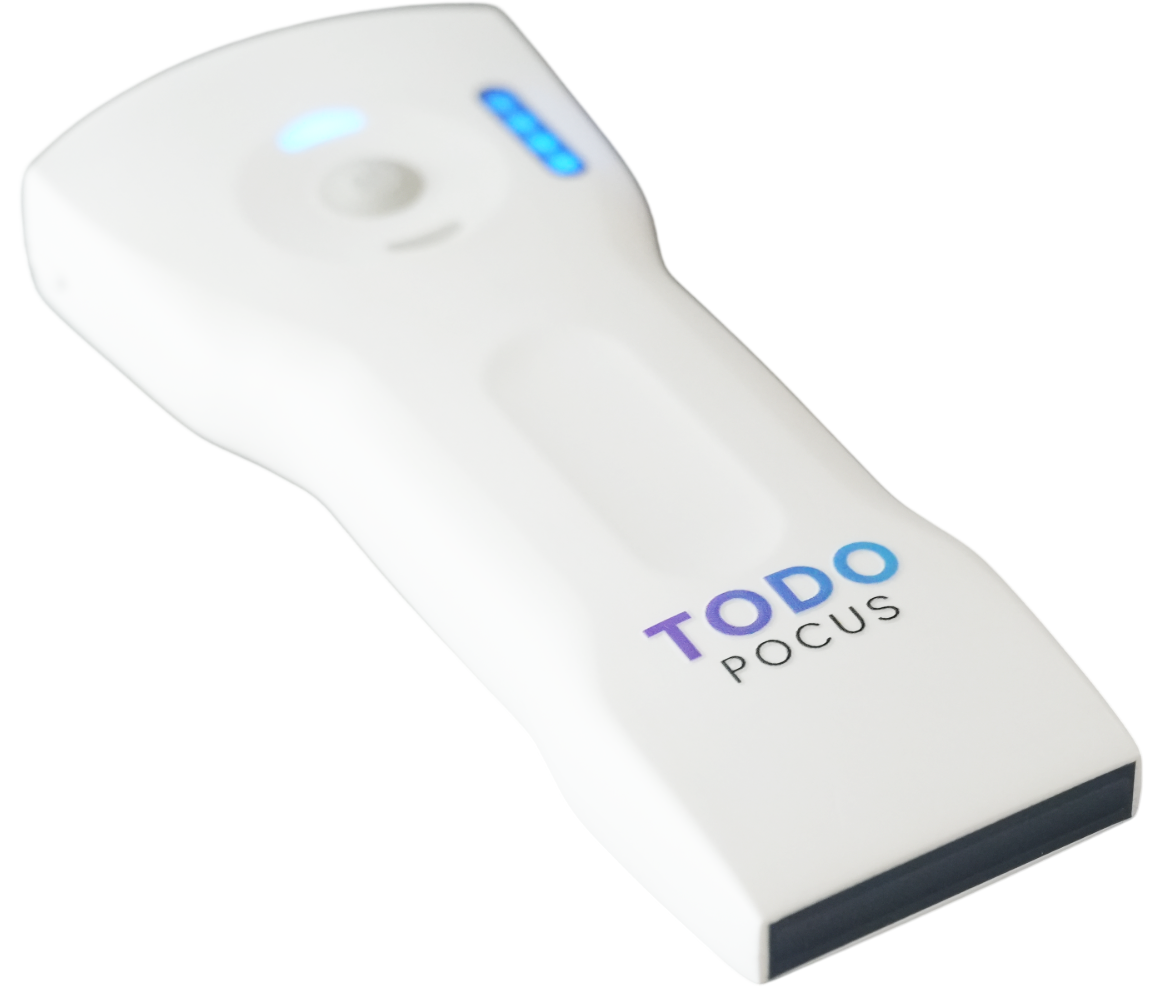














Does SonoSite Make a Handheld Ultrasound? 2026 Console Prices & Top Pocket Wireless Alternatives


Short answer: No. FUJIFILM SonoSite does not make a pocket-sized ultrasound probe that connects to your phone or tablet.
If you’ve been searching for one, it’s easy to see why. Most of us trained on SonoSite carts in the ER, ICU, or OR, so when you want a personal scanner for your coat pocket, SonoSite is naturally the first name you look up.
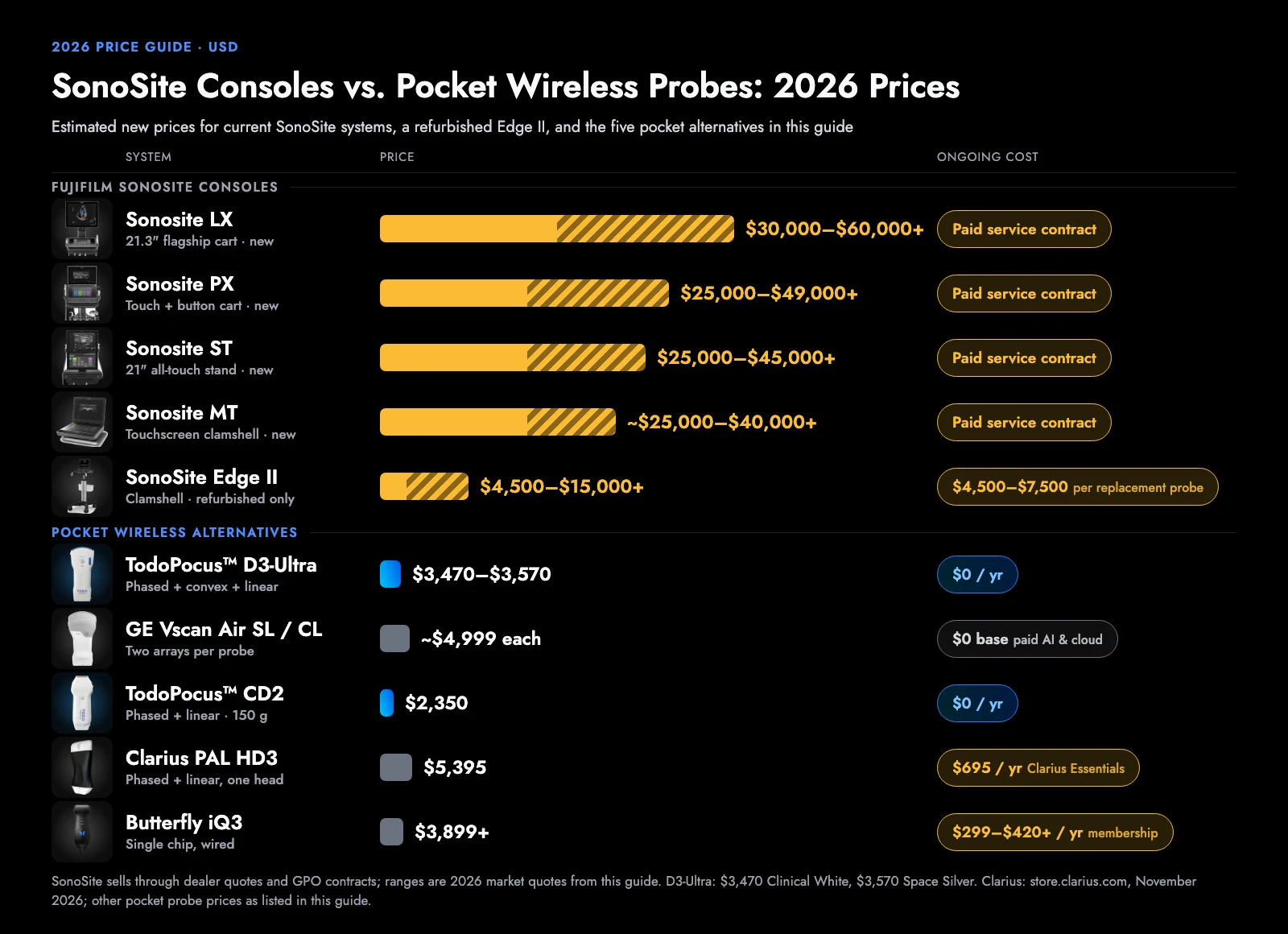
The catch is that SonoSite walked away from pocket devices years ago. Their 7-inch iViz tablet is discontinued, the old iLook 25 you still see on Google is from 2003, and their newer Sonosite iLOOK is actually a roll-stand screen built strictly for IVs. Today, SonoSite focuses on hospital carts and laptop consoles (PX, LX, ST, MT) that run $25,000 to $60,000+.
Below is a quick, realistic look at what SonoSite machines actually cost in 2026, followed by 5 pocket-sized alternatives if what you really want is something wireless you can carry on shift.
Quick Picks at a Glance
- Best All-in-One Pocket Scanner (Heart, Abdomen & Lines): TodoPocus™ D3-Ultra - $3,470–$3,570 one-time ($0/yr subscription; Convex + Phased + Linear in one wireless probe)
- Best Big-Brand Dual Probe: GE HealthCare Vscan Air SL / CL — ~$4,999 each (~$9,998 if you need both SL and CL)
- Best Lightweight Probe for ER, ICU & Anesthesia: TodoPocus™ CD2 - $2,350 one-time ($0/yr subscription; 150 g Phased + Linear, wireless + USB cable)
- Best Single-Probe App Ecosystem for Training Programs: Butterfly iQ3 — $3,899 + $299–$420/yr plan (or $5,399 regular All-In / 5-yr bundle; wired)
- If You Still Want a True SonoSite System: Look at the Sonosite PX oder Sonosite MT - $25,000–$49,000+ new (or a used SonoSite Edge II at $4,500–$15,000+)
Inhaltsverzeichnis
Does SonoSite Make a Handheld Ultrasound in 2026?
When people say “handheld ultrasound” today, they usually mean a $2,000 to $5,000 probe you slip into your scrub pocket and pair with your own phone or iPad. SonoSite doesn’t sell anything in that category anymore. Here is where their smaller machines stand right now.
What Happened to the SonoSite iViz? (2027 Support Cutoff)
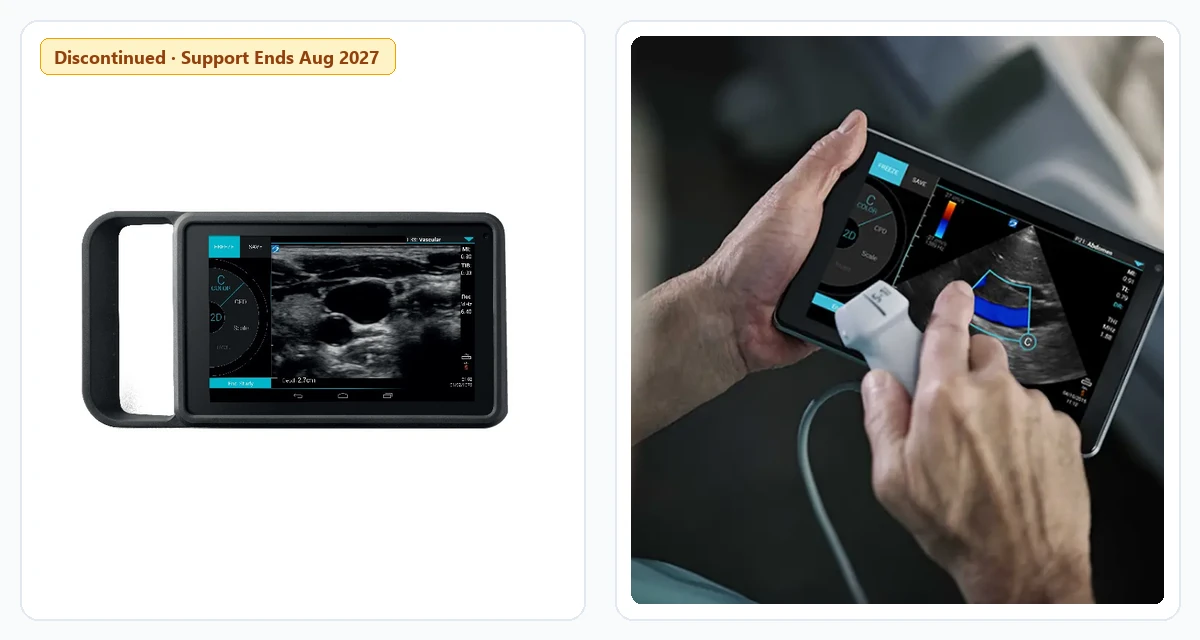
Die SonoSite iViz (launched in 2015) was the closest thing SonoSite ever made to a pocket unit. Instead of using your phone, it came with its own 7-inch Android screen and proprietary cabled probes.
SonoSite stopped selling iViz systems in 2021 and ended probe sales in late 2022. Once phone-based wireless probes arrived at a third of the price, a closed mini-tablet with expensive cabled heads simply stopped making financial sense.
Heads-up if your department still has iViz units: Official FUJIFILM SonoSite repair and parts support permanently ends on August 31, 2027. After that date, a dead battery or cracked probe crystal means retiring the unit—so don’t spend budget buying used iViz kits online.
Old SonoSite iLook 25 vs. New Sonosite iLOOK (Easy to Mix Up)
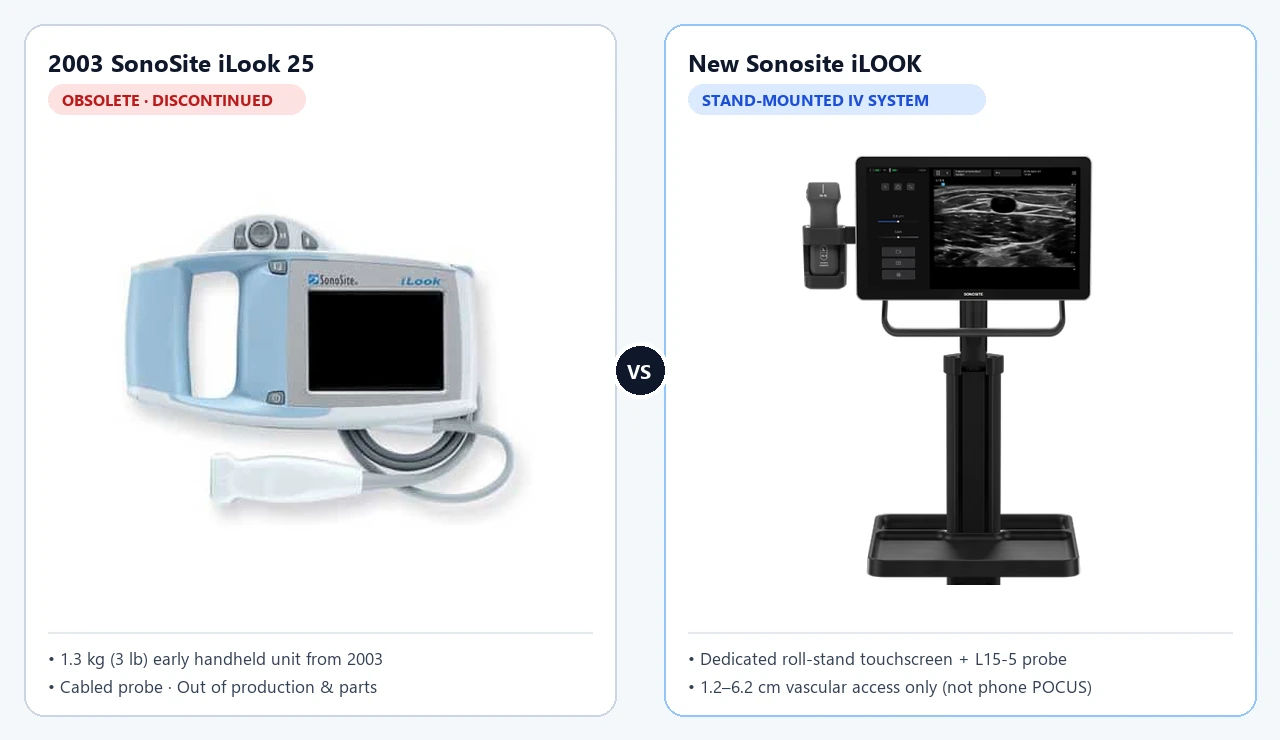
Old distributor pages for the SonoSite iLook 25 still show up near the top of Google. That machine came out in 2003, weighed 3 lbs, and has been out of production for well over a decade. Skip it completely—batteries and parts are long gone.
What trips buyers up is that SonoSite recently brought back the name for a new system called the Sonosite iLOOK. Despite the name, it isn’t a personal pocket probe:
- Built strictly for IVs and lines: It comes with one shallow wireless linear probe (L15-5, max depth 6.2 cm) meant for PIVs, PICCs, and central lines.
- Tied to its own stand monitor: It pairs with a dedicated touchscreen on a rolling stand or mount, not your iPhone or iPad.
- No cardiac or deep abdominal views: You can’t use it for bedside echo, FAST exams, or OB checks.
What SonoSite Focuses on Instead
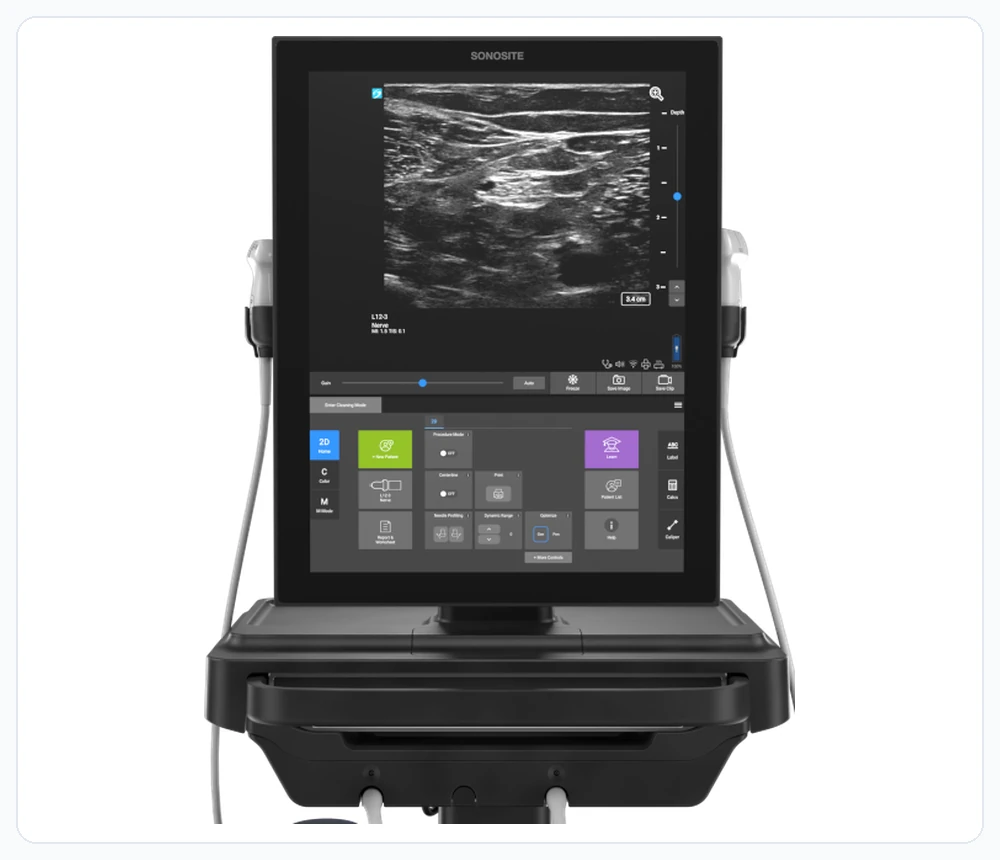
SonoSite put all its energy into shared hospital carts, stands, and clamshell laptops—specifically the PX, LX, ST, ZX, and MT. They are tough, drop-tested, easy to wipe down, and backed by strong 5-year hospital warranties. They just aren’t designed to ride in your coat pocket between floors.
2026 FUJIFILM SonoSite Price Guide (PX, LX, Edge II, MT & ST)
SonoSite doesn’t publish sticker prices online, so buying new always means requesting a distributor quote or going through your hospital’s GPO contract.
To save you the guesswork, here is what departments actually pay in 2026 on both the new and refurbished markets:
| SonoSite Model | Style | 2026 Status | Used / Refurbished Price | Typical New Price (USD) | Typical Hospital Role |
|---|---|---|---|---|---|
| Sonosite LX | 21.3″ Large Cart | Active | $18,000 – $32,000 | $30,000 – $60,000+ | Main ICU, ER & teaching cart |
| Sonosite PX | Touch + Button Cart | Active | $8,500 – $20,500 | $25,000 – $49,000+ | ER, regional anesthesia & echo |
| Sonosite ST | 21″ All-Touch Stand | Active | $12,000 – $22,000 | $25,000 – $45,000+ | Line service & nerve block rooms |
| Sonosite ZX | Mid-Tier Cart | Active | $10,000 – $19,000 | $24,000 – $42,000+ | General ward & bedside POCUS |
| Sonosite MT | Touchscreen Clamshell | Active | Scarce on used market | $25,000 – $40,000+ | Portable ER, EMS & consult laptop |
| Sonosite iLOOK | Stand Screen + IV Probe | Active | Scarce on used market | Quote (~$15,000+ est.) | Dedicated vascular access teams |
| SonoSite Edge II | Button Clamshell | Discontinued | $4,500 – $15,000+ | No longer sold new | Used ER & critical care market |
| SonoSite M-Turbo | Older Clamshell | Discontinued | $2,500 – $6,500 | No longer sold new | Budget clinics & field use |
| SonoSite iViz | 7″ Mini-Tablet | Discontinued | $1,800 – $4,000 | No longer sold new (Support ends 8/2027) | Being phased out |
SonoSite PX Price ($25,000 – $49,000+ New)
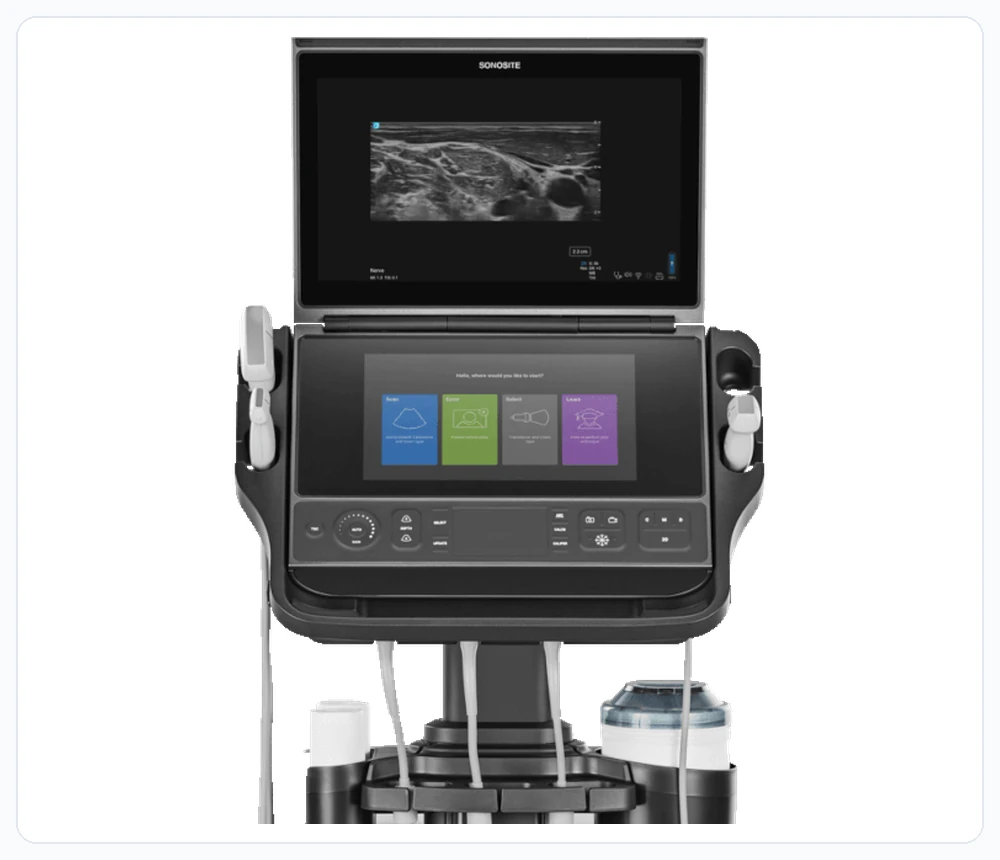
Die Sonosite PX is the cart you’ll see most often in busy ERs and regional block rooms. Having physical buttons alongside the touchscreen is genuinely handy when you’re wearing wet or sterile gloves.
Base quotes start near $25,000, though once you add a stand, DICOM PACS licensing, cardiac software, and two or three probes, most hospital invoices land between $35,000 and $49,000+. Used PX carts run $8,500 to $20,500.
SonoSite LX Price ($30,000 – $60,000+ New)
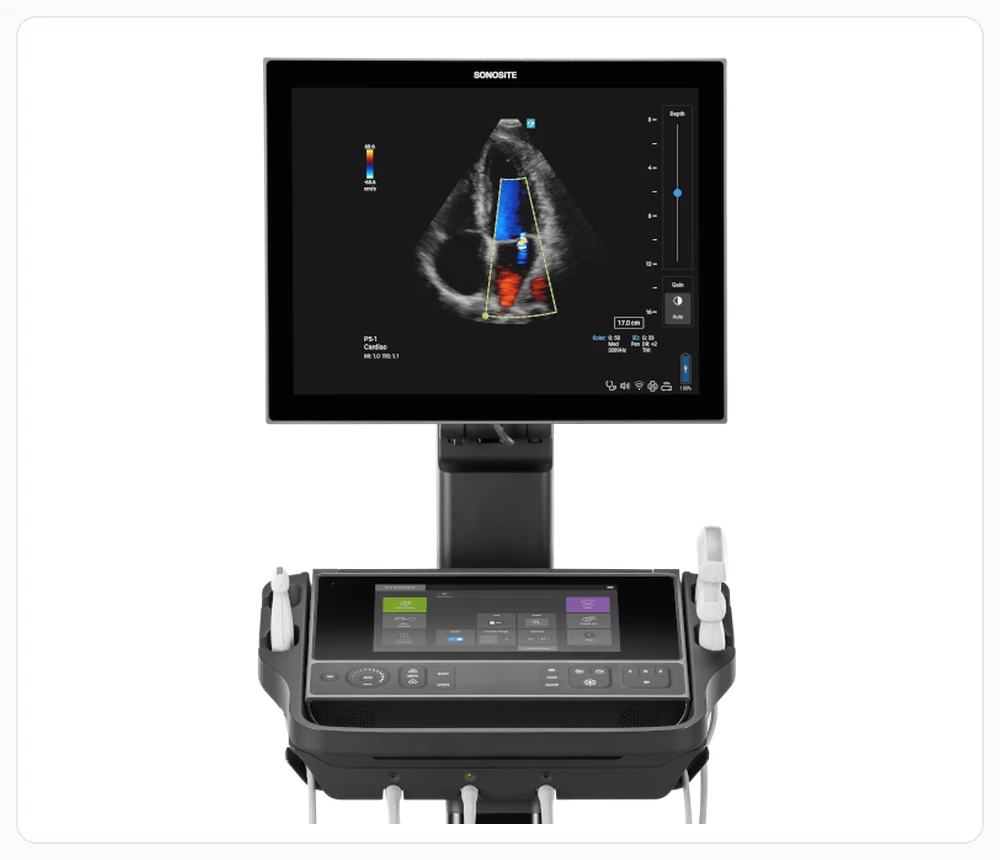
Die Sonosite LX is essentially the big-screen sibling to the PX. Its 21.3-inch monitor swings and tilts toward the bed so everyone in a code or procedure can see the view without crowding around the cart. Expect $30,000 to $60,000+ new, especially if you add specialty probes like TEE.
SonoSite Edge II Price ($4,500 – $15,000+ Used) & The New Sonosite MT
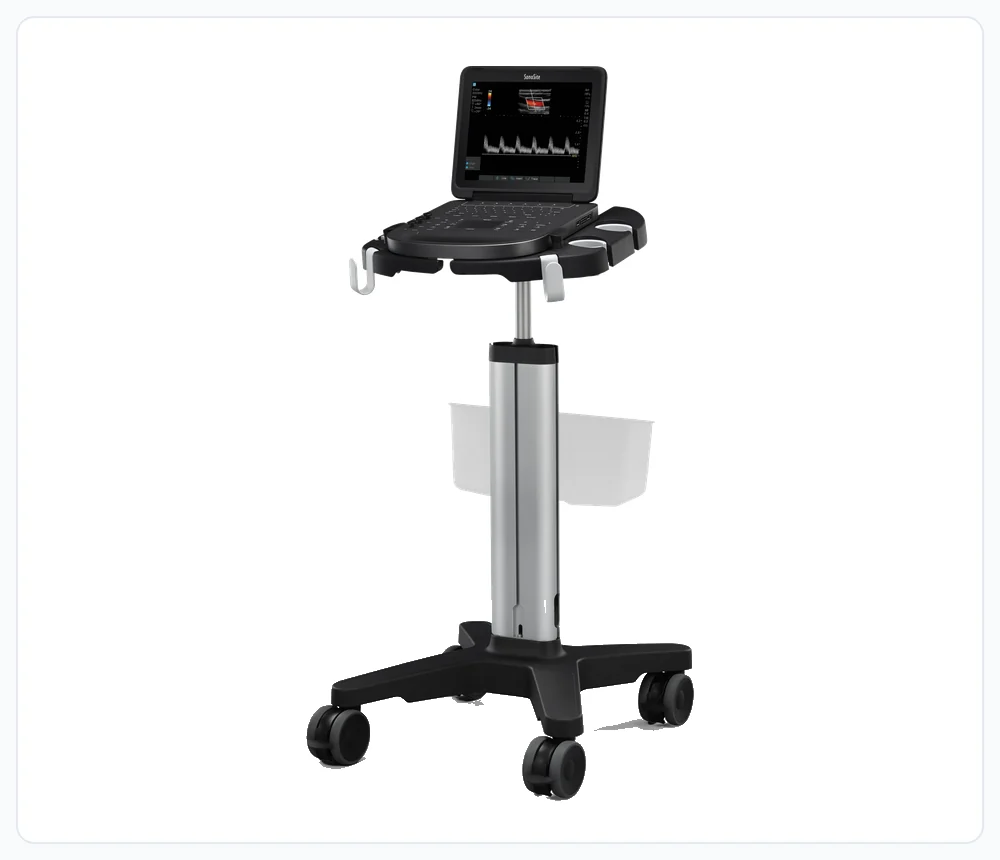
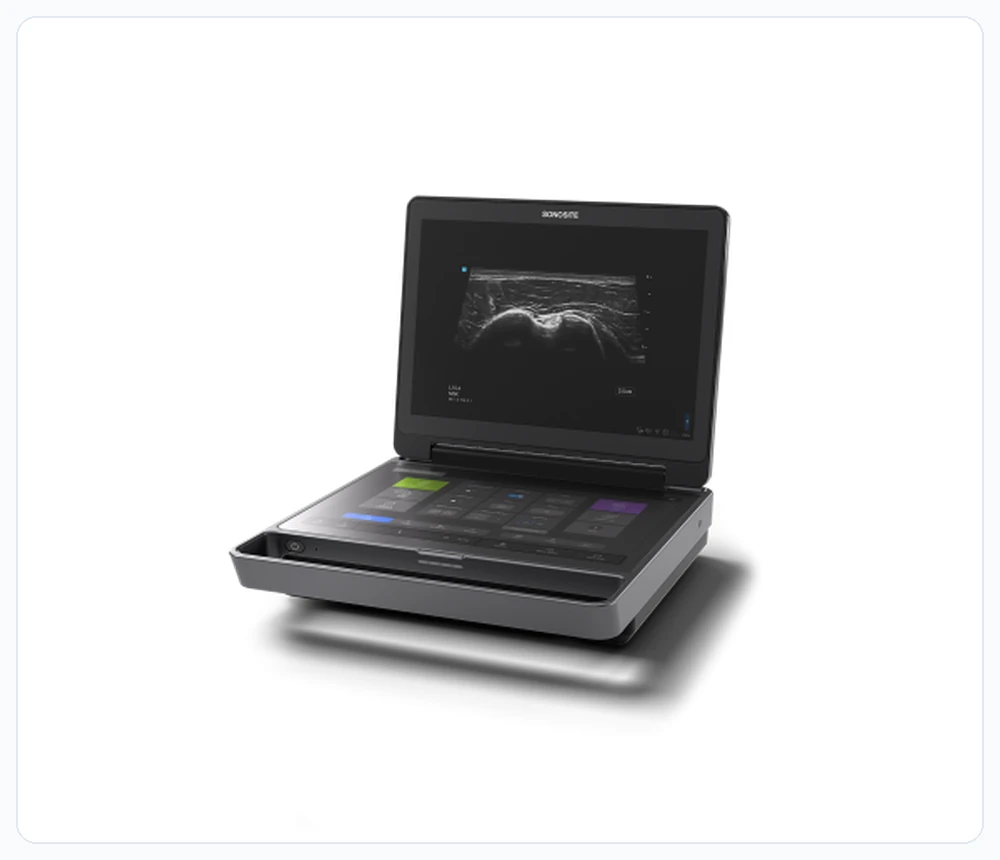
Plenty of doctors still look up SonoSite Edge II prices because those rugged clamshells lasted forever. Just know that SonoSite has ended new Edge II sales—if you want a new SonoSite laptop today, the replacement is the touchscreen Sonosite MT (~$25,000 to $40,000+).
That leaves the Edge II strictly on the used market at $4,500 to $15,000+. Two practical things to watch if you’re tempted by a refurbished one:
- Replacement probes cost a fortune: If one used cardiac or linear probe develops crystal dropout a year later, replacing that single probe can run $4,500 to $7,500—more than buying a brand-new wireless handheld.
- Short dealer warranties: Most used sellers only cover you for 90 days to a year, and older battery packs rarely hold a full shift.
Don’t Forget Approval Time and Extra Probes
Even when hospital money is available, getting a cart approved through a capital committee usually drags out 3 to 9 months. And if two attendings need different probes in separate rooms, a single cart still leaves someone waiting. If you want something in your pocket right now without the paperwork, here is how the best wireless options compare.
5 Best Pocket Wireless Alternatives to a SonoSite Handheld Ultrasound
When colleagues ask which pocket ultrasound is actually worth buying, the decision rarely comes down to marketing buzzwords. It comes down to five practical things: do I need one probe or two, how heavy is it in my pocket, how long does the battery last, does it drop connection in the hospital, and am I stuck paying an annual fee forever?
Here is how the 5 strongest options stack up on those exact points:
| Gerät | Best Fit | Probe Setup | Tiefen-Bereich | Gewicht | Plattformen | Jahresgebühr | Price (Real 5-Yr Cost) |
|---|---|---|---|---|---|---|---|
| 1. TodoPocus™ D3-Ultra | One probe for ER, abdomen, heart & lines | Convex + Phased + Linear (3-in-1) | 9–30 cm (deep); 2–10 cm (linear) | 263 g | iOS, Android, Windows | $0 | $3,470–$3,570 ($3,470–$3,570) |
| 2. GE Vscan Air SL / CL | Hospitals requiring a big-brand name | Phased+Linear (SL) OR Curved+Linear (CL) | Bis zu 24 cm (deep); up to 8 cm (linear) | 218 g (SL) / 205 g (CL) | iOS, Android | $0 (AI/Cloud extra) | ~$4,999 each (~$9,998 for both) |
| 3. TodoPocus™ CD2 | Lightest daily probe for ICU & anesthesia | Phased + Linear (2-in-1) | 9–19 cm (phased); 2–10 cm (linear) | 150 g | iOS, Android, Windows | $0 | $2,350 ($2,350) |
| 4. Clarius PAL HD3 | Deep reach + hands-free voice tools | Phased + Linear (single head) | Bis zu 40 cm (phased); up to 7 cm (linear) | 307 g | iOS, Android | $695 / yr* | $5,395 ($7,895–$8,870) |
| 5. Butterfly iQ3 | Residency teaching & cloud case review | Single chip (whole-body presets) | Bis zu 30 cm | 300 g | iOS, Android (wired) | $299–$420 / yr* | $3,899 ($5,394–$5,999) |
*Clarius PAL HD3 requires Clarius Essentials ($695/yr or $2,500 one-time) to unlock PW Doppler, DICOM workflow, voice controls, and cloud storage. Butterfly iQ3 requires an active software plan ($299/yr Core, $420/yr Advanced, or a $1,500 upfront 5-year / All-In bundle bringing regular one-time checkout to $5,399).
1. TodoPocus™ D3-Ultra — Best If You Want One Probe to Cover Everything
Preis: $3,470 (Klinikweiß) / $3,570 (Space Silver thermal-optimized edition) | Abonnement: $0/yr | Setup: 3-in-1 (Convex + Phased + Linear) | Akku: ~2 hours wireless
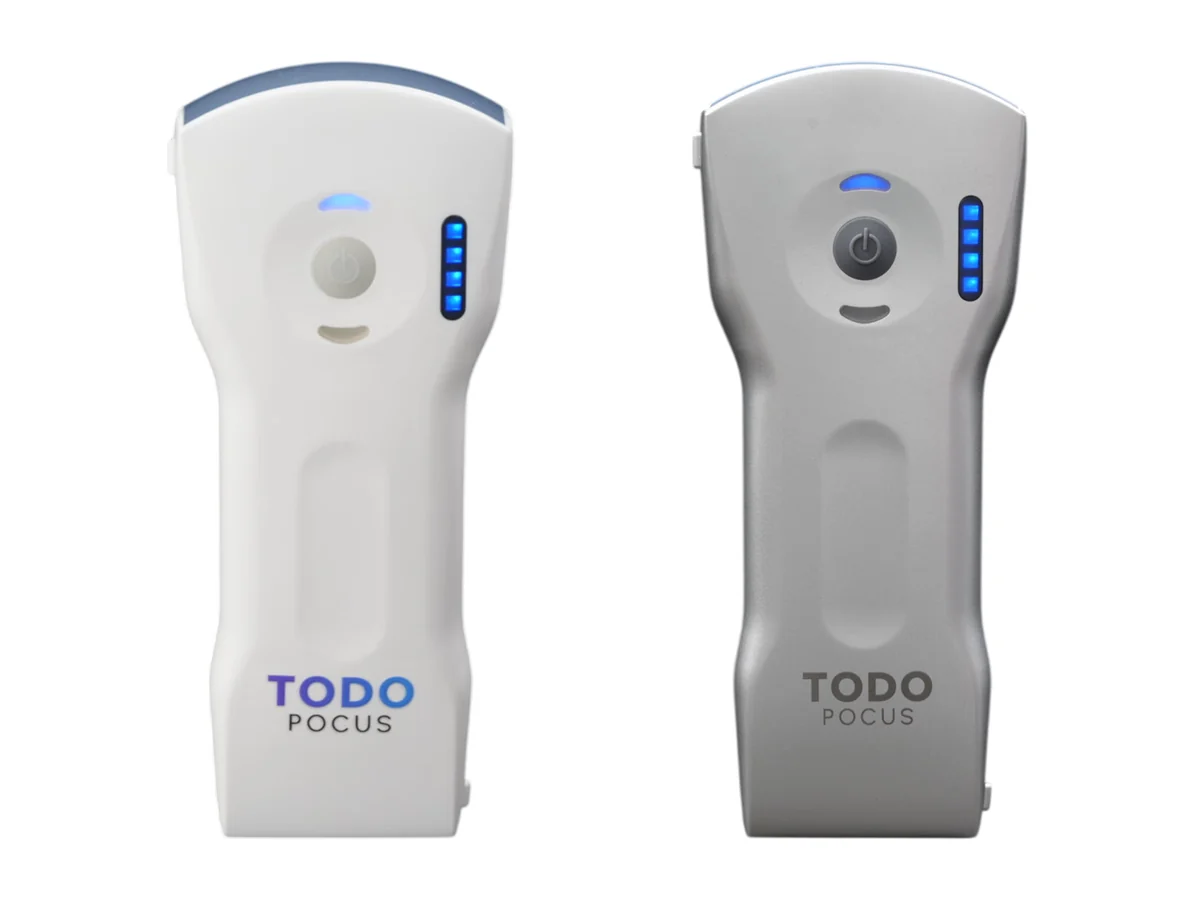
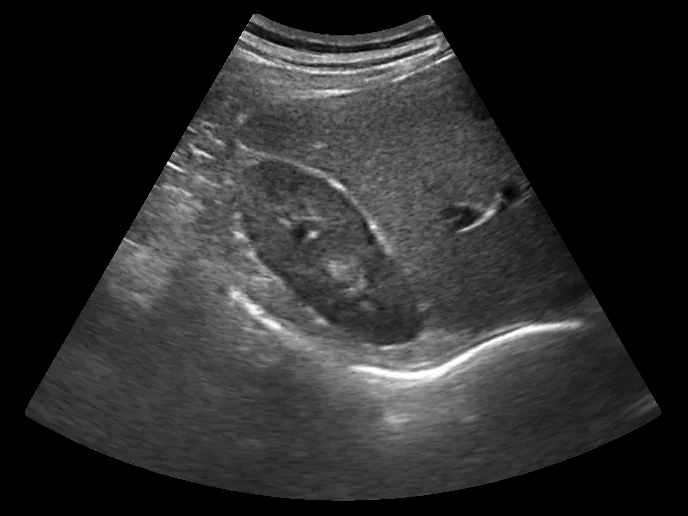
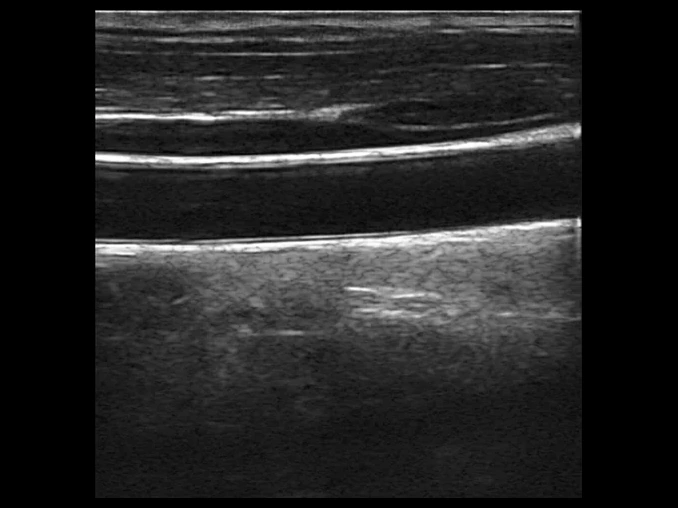
The biggest headache when shopping for a wireless probe is being forced to choose between a cardiac/vascular model and an abdominal/vascular model. The TodoPocus™ D3-Ultra solves that simply: one end handles your deep abdominal and cardiac views, and flipping it over gives you a dedicated linear head for lines, nerves, and soft tissue.
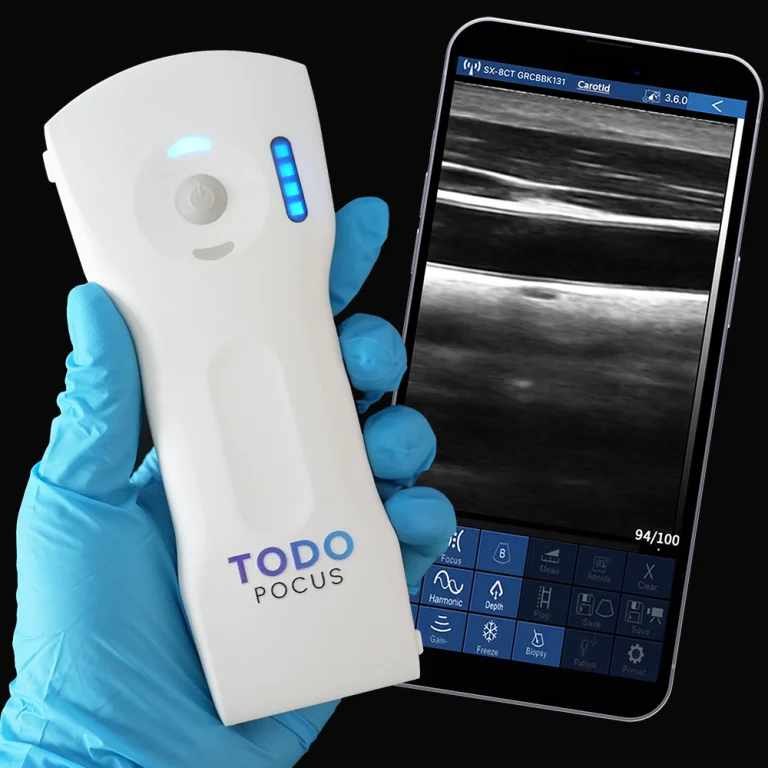
In day-to-day use, it feels very familiar if you’re coming off a cart—you still get an 8-slider TGC panel, unlocked PW and Color Doppler, and direct local DICOM/MP4 export across iOS, Android, and Windows without creating a cloud account or paying a yearly bill. You can pick the standard $3,470 Klinikweiß housing, or pay $100 more for the $3,570 Weltraumsilber edition, which dissipates heat better during back-to-back ward rounds.

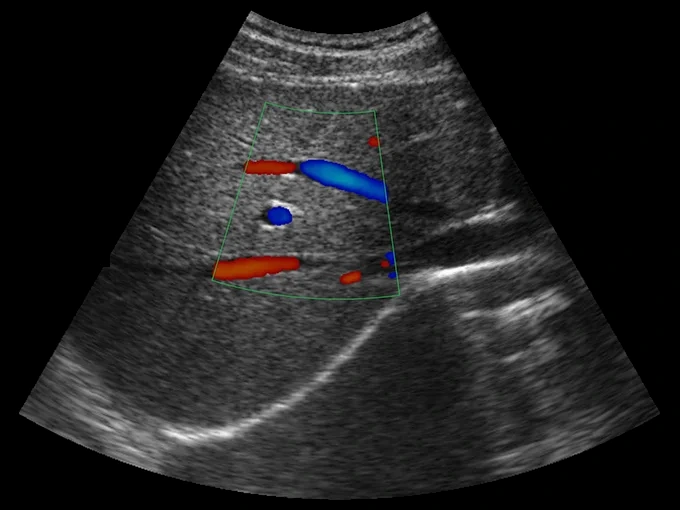
What helps (and what to keep in mind) before buying:
- Replaces two separate dual-probes: You don’t have to spend ~$10,000 buying two different scanners just to get true convex abdominal views alongside cardiac and linear views.
- 2-hour battery & reasonable pocket weight: Bei 263 g, it is lighter than both Clarius (307 g) and Butterfly (300 g), and lasts roughly twice as long per charge as Vscan Air or Clarius.
- Predictable one-time cost: No annual software renewal to justify to your clinic manager, plus a 3-year warranty and 30-day return window.
- Honest trade-offs: TodoPocus is a newer name than decades-old hospital vendors like SonoSite or GE (though well proven in daily clinical use now). Also, like other 3-in-1 handhelds, its phased mode doesn’t include Continuous Wave (CW) Doppler—if quantifying high-velocity valve stenosis is a regular part of your job, consider pairing or swapping it with the dedicated TodoPocus™ PD2 ($1,899).
See full specs & clinical clips for the TodoPocus™ D3-Ultra →
2. GE HealthCare Vscan Air SL & CL — Best If Hospital IT Insists on a Legacy Brand
Preis: ~$4,999 per probe (~$9,998 for both SL and CL) | Abonnement: $0 Basispreis (Caption AI & cloud extra) | Setup: Dual 2-in-1 (SL or CL) | Akku: ~50 min wireless
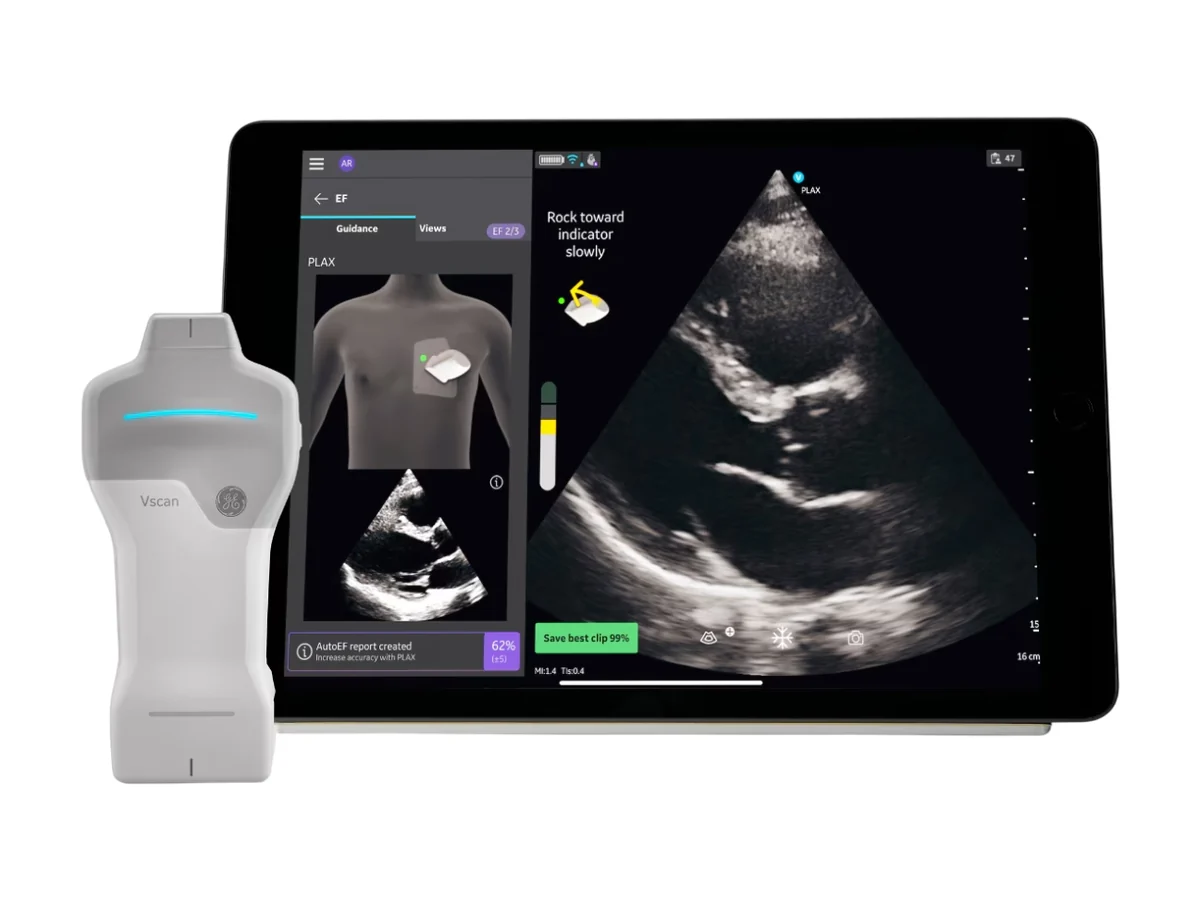
Some hospital credentialing or IT committees simply sign off faster when they see GE on the quote. If you’re in that boat, the Vscan Air is a solid, drop-tested wireless scanner with crisp grayscale quality and no mandatory subscription for basic B-mode, M-mode, Color, or PW Doppler.
The practical catch is that GE splits its probes into two separate ~$4,999 devices: the SL (heart + vascular) and the CL (abdomen/OB + vascular). If your shifts mix abdominal/OB work with real intercostal cardiac windows, getting all three arrays from GE means spending nearly $10,000 and carrying two units.
What helps (and what to keep in mind) before buying:
- Easy hospital approval & optional Caption AI: Familiar GE backing, plus an optional paid Caption AI package on the SL that walks newer users through echo views.
- Compact in the hand: Easy to wipe down (IP67) and comfortable at 205 g (CL) to 218 g (SL).
- 50-minute battery with no cable backup: Battery runtime is the shortest on this list, and you can’t plug in a USB cord to keep scanning if it dies mid-round.
3. TodoPocus™ CD2 — Best Lightweight Pick for ICU, ER & Anesthesia
Preis: $2,350 (einmalig) | Abonnement: $0/yr | Setup: 2-in-1 (2.2/3.6 MHz Phased + 7.5/10 MHz Linear) | Connection: Wi-Fi + USB Cable (~1.5 h wireless)
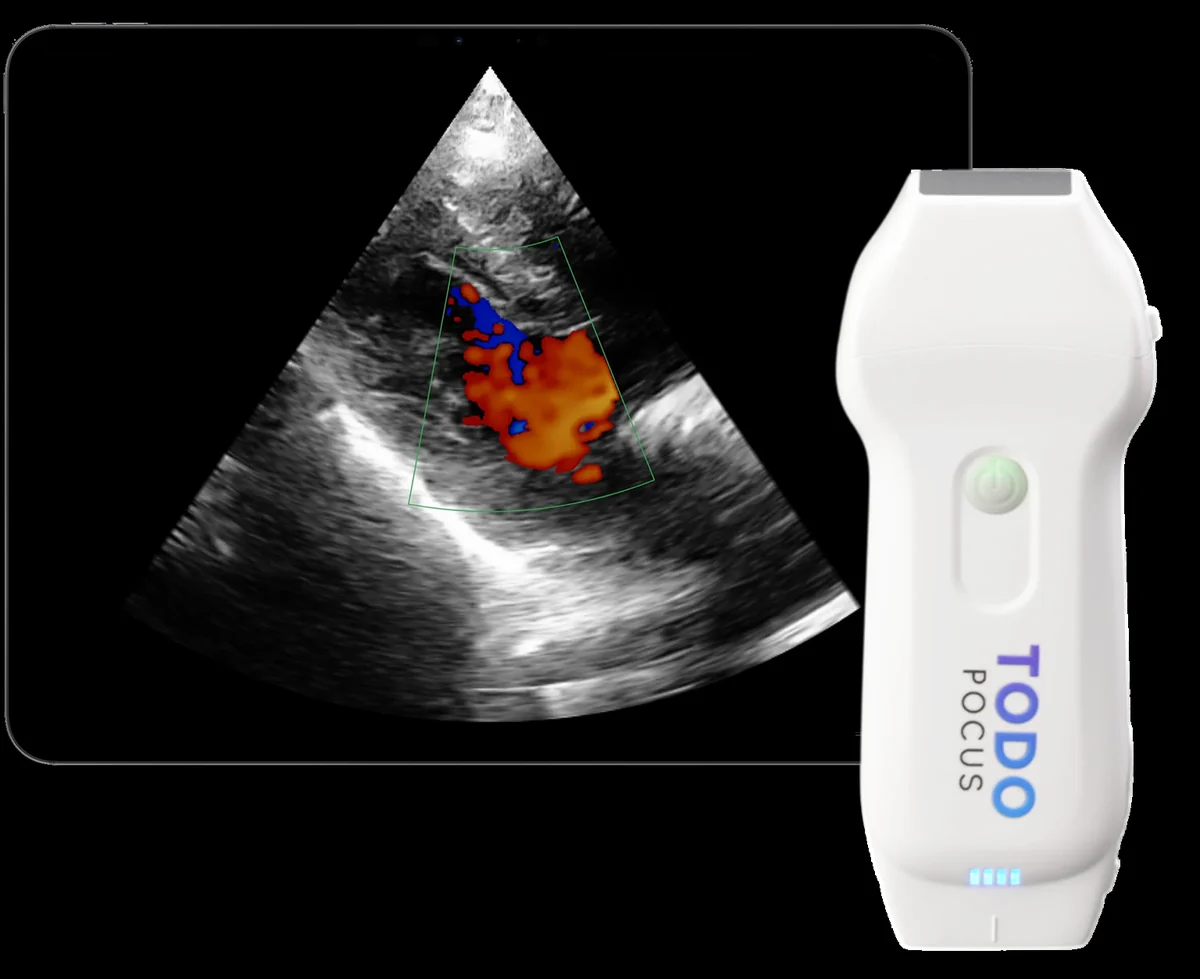
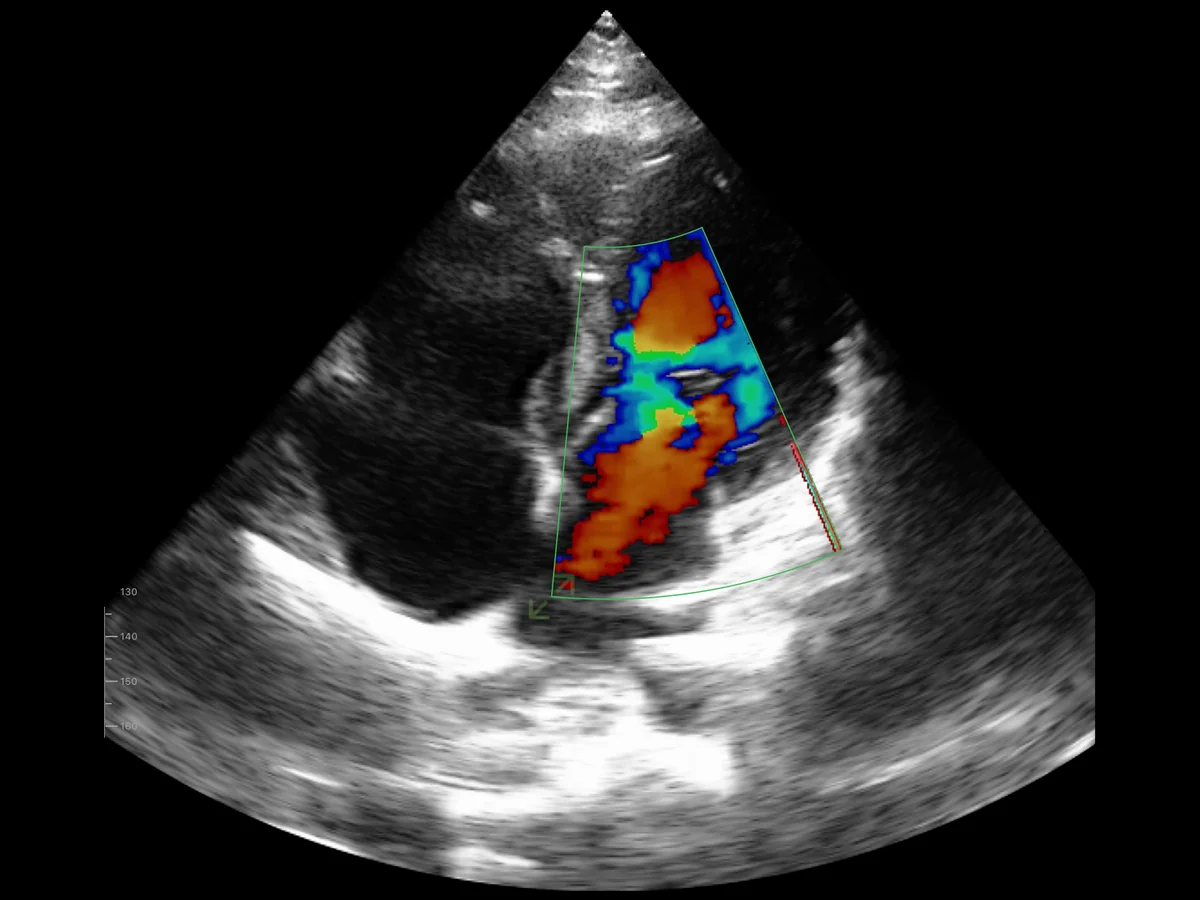
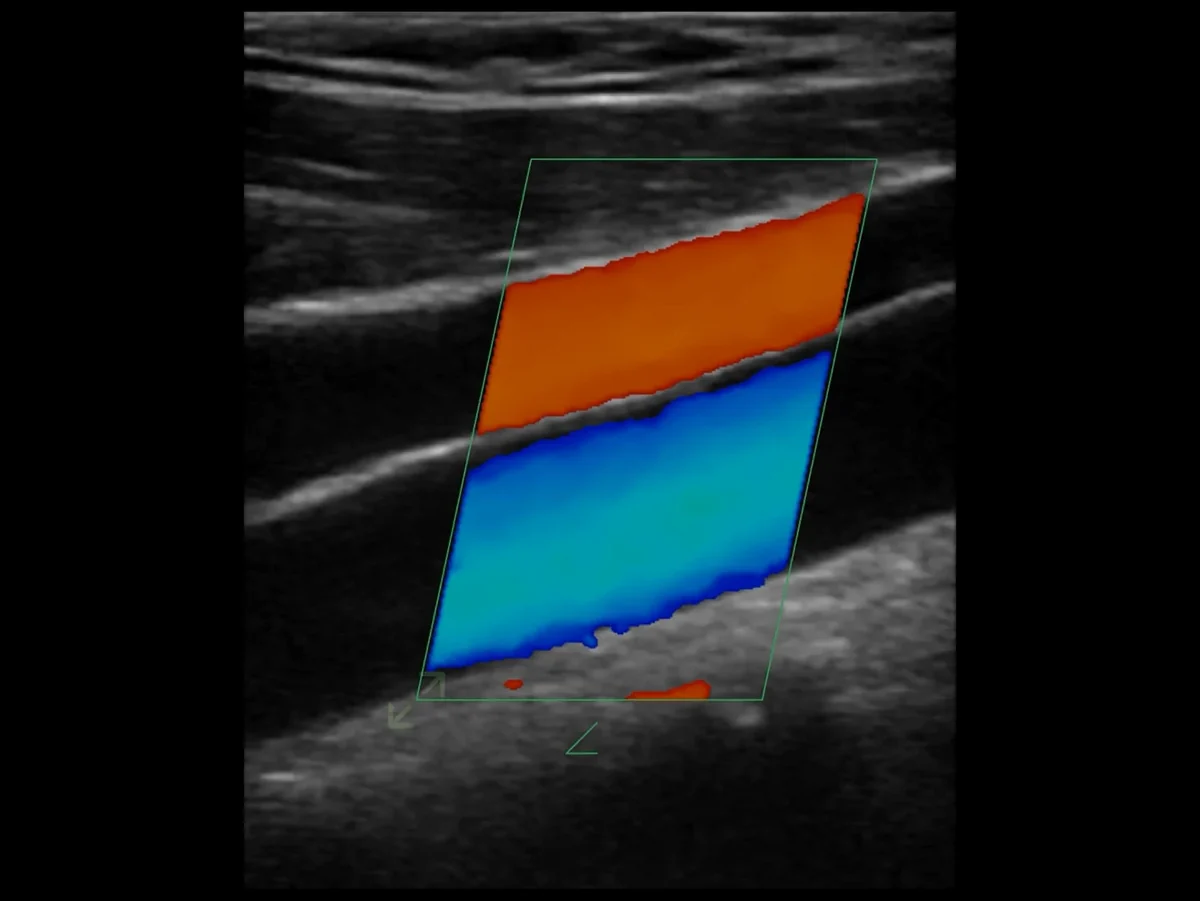
If you work in anesthesia, critical care, or the ED, 90% of your bedside checks only need two heads: a tight phased array that fits cleanly between ribs, and a small linear head for radial art lines, central lines, DVT checks, and blocks. That’s the exact layout of the $4,999 Vscan Air SL—and the TodoPocus™ CD2 gives you that same pairing for $2,350.
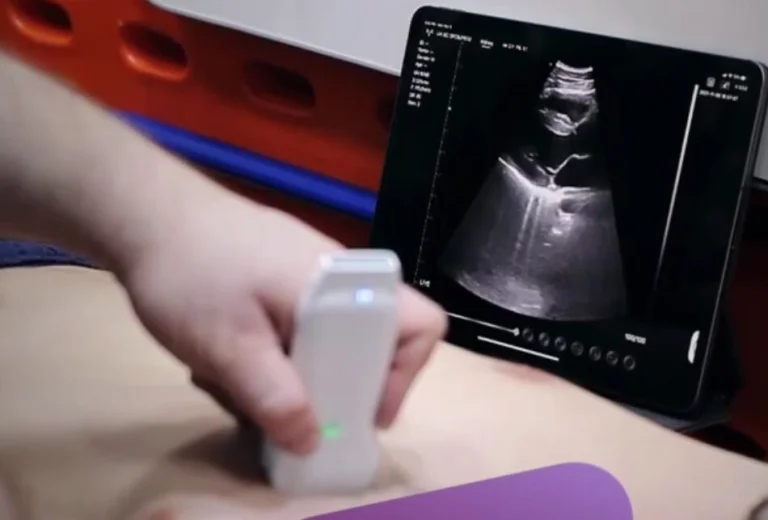
Two small design details make a big difference on shift. First, at 150 g, it weighs less than your phone, so it never tugs down your scrub pocket, and its narrow 25 mm linear footprint is much easier to seat on thin necks, wrists, or pediatric patients than wider probes. Second, it supports both Wi-Fi and a direct USB cable across iOS, Android, and Windows. Anyone who has dealt with congested hospital Wi-Fi in a shielded OR or ICU knows how nice it is to plug in a cord for zero lag and unlimited power. (If most of your day is nerve blocks or tough IVs where magnetic needle-tip tracking matters most, also take a look at the wireless TodoPocus™ L10H-Guide at $2,870.)
What helps (and what to keep in mind) before buying:
- Less than half the cost of big-brand dual probes: $2,350 total with no annual fees and a 3-year warranty.
- Wireless freedom + wired reliability: Go wireless on ward rounds, or tether via USB in RF-heavy ORs so you never run out of battery.
- Honest trade-off: There is no dedicated curved abdominal head—deep FAST views work fine through the phased end, though if you do heavy abdominal or OB scanning, spend the extra ~$1,100 for the D3-Ultra instead.
See full specs & clinical clips for the TodoPocus™ CD2 →
4. Clarius PAL HD3 — Strong Deep Penetration, High Ongoing Cost
Preis: $5,395 (hardware) | Abonnement: $695/Jahr (or $2,500 one-time Essentials) | Setup: Single-head Phased + Linear | Akku: ~60 min wireless
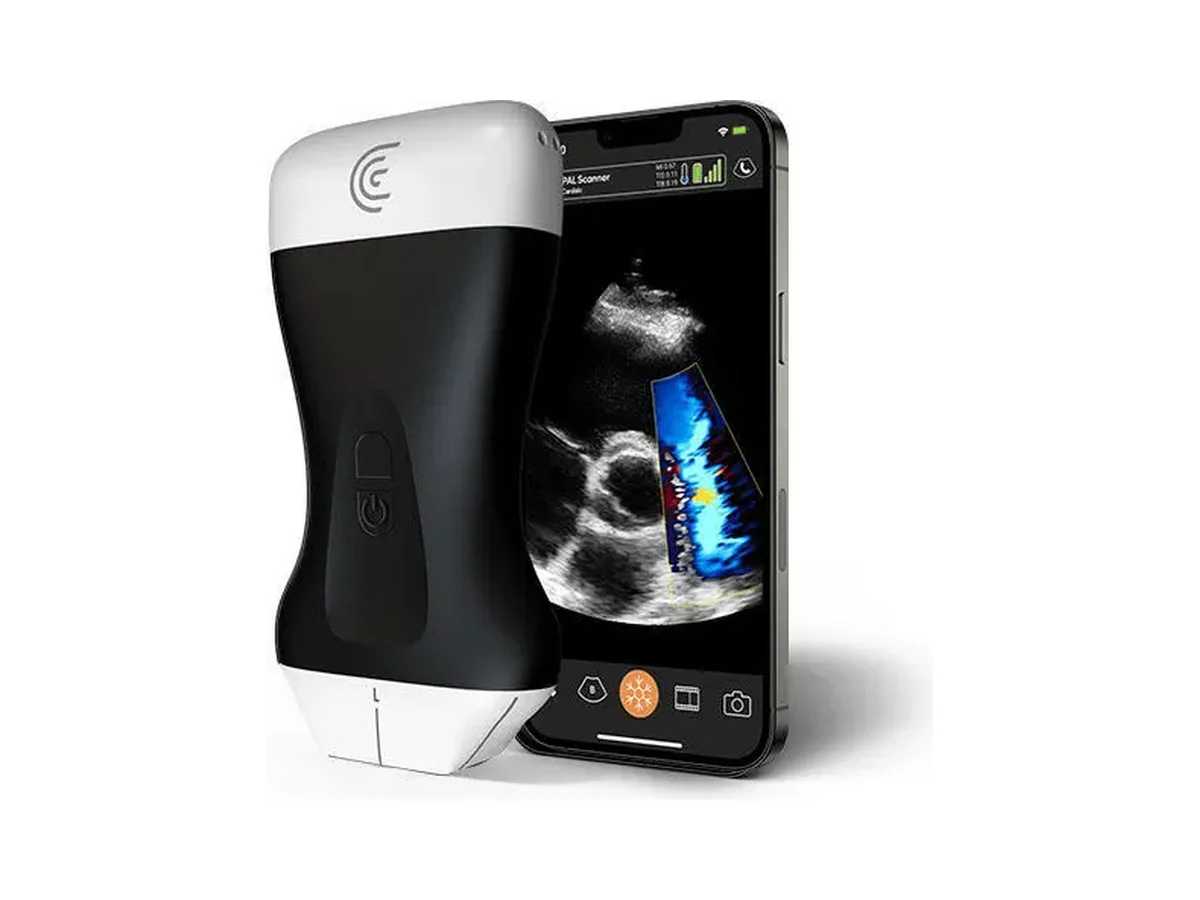
Die Clarius PAL HD3 puts phased and linear imaging on the same face, so you don’t even flip the probe between heart and vascular views, and its phased side reaches down to 40 cm for larger-bodied patients.
What holds many private buyers and department directors back is the paywall. Out of the box, PW Doppler, voice commands, cloud storage, and listed DICOM workflows are locked unless you pay $695/Jahr (pushing 5-year cost to $8,870) or $2,500 upfront.
What helps (and what to keep in mind) before buying:
- Deep 40 cm reach & hands-free voice controls: Helpful in bariatric windows and sterile procedures (with active membership).
- Heavier and runs warm: Bei 307 g, it’s the heaviest probe here, and continuous scanning typically warms up after ~20 minutes.
- Not a true convex probe: Like other phased+linear units, routine OB and broad abdominal views aren’t its main strength.
5. Butterfly iQ3 — Great Residency App, Tethered by a Cord & Software Add-On
Preis: $3,899 (hardware) | Software Plan: $299–$420/Jahr (or +$1,500 upfront 5-yr / All-In bundle, $5,399 regular total) | Setup: Single chip | Connection: Nur kabelgebunden (~2 h battery)
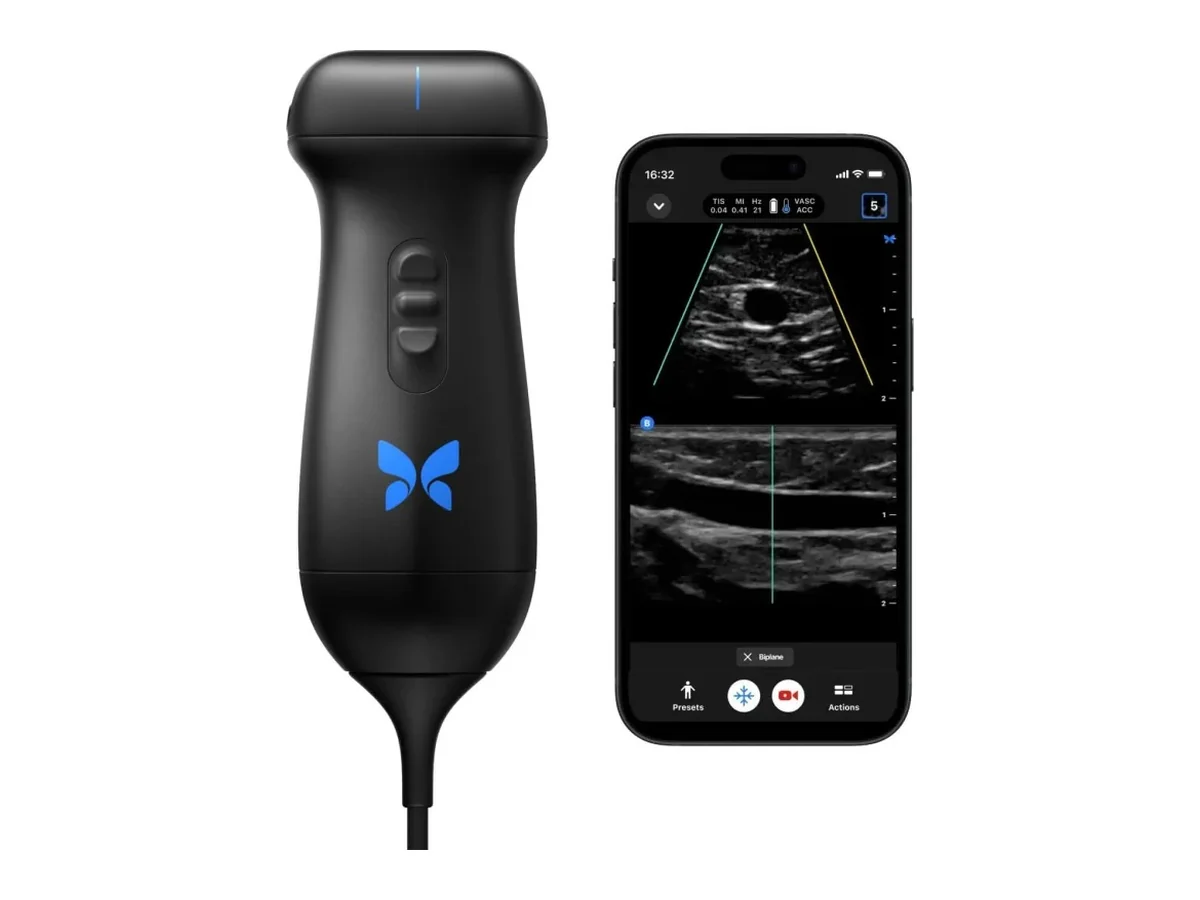
If you’re running a residency program or teaching new learners, Butterfly iQ3 has a very polished training ecosystem. Built-in Butterfly Academy™ / ScanLab™ tutorials, cloud case review for faculty feedback, and assistive AI tools (like automated B-line counting) make onboarding beginners easy.
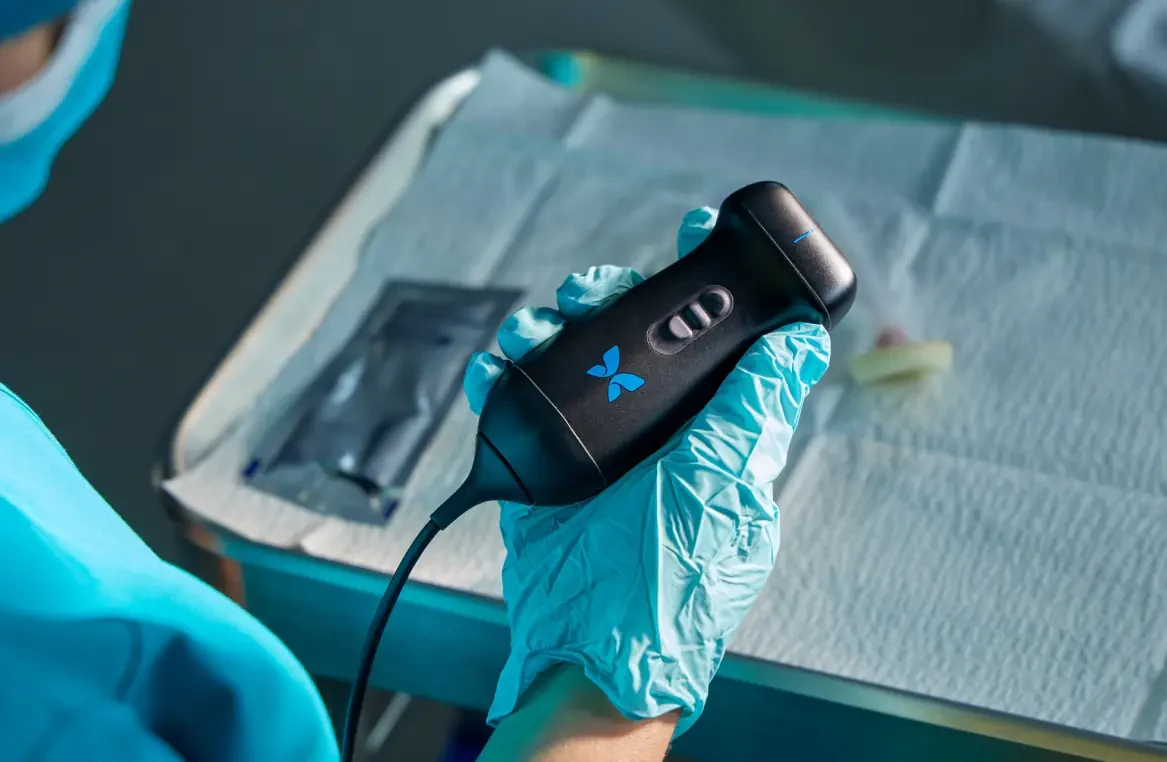
In everyday attending life, though, two practical trade-offs stand out. First is the cord—managing a phone cable across a sterile drape or agitated ER patient gets old fast once you’ve used true wireless probes, and its wider rectangular head is tighter to rock between narrow ribs than a dedicated phased array like the CD2 or Vscan Air SL. Second is software pricing: without an active plan, the probe drops into a restricted live-view mode that can’t save clips or run PW Doppler. While Butterfly now offers a 5-year prepay / U.S. All-In one-time bundle to avoid annual renewals, it still adds $1,500 im Voraus (bringing regular checkout to $5,399 outside seasonal promos), and hospital PACS worklist integration costs extra.
Why Most ER & Anesthesia Departments Pair One Cart With Pocket Probes
Even after looking at these five pocket probes, none of them are meant to kick your department’s SonoSite PX or LX cart out of the hospital. You still want that shared cart for full ECG-gated echo, TEE, Tissue Doppler, or long OR cases. (See our guide to portable echo machines if you’re shopping specifically for cardiac consoles.)
Where pocket probes pay for themselves is solving the everyday bottleneck we’ve all dealt with: the department’s lone $45,000 SonoSite cart is stuck in Trauma Bay 1 or OR 4, while someone in triage is hypotensive, PACU needs a quick post-op check, and the floor nurses are paging for a tough IV. Instead of spending 15 minutes hunting down a cart and wiping down three cables, you pull a probe out of your pocket and have your answer in 10 seconds.
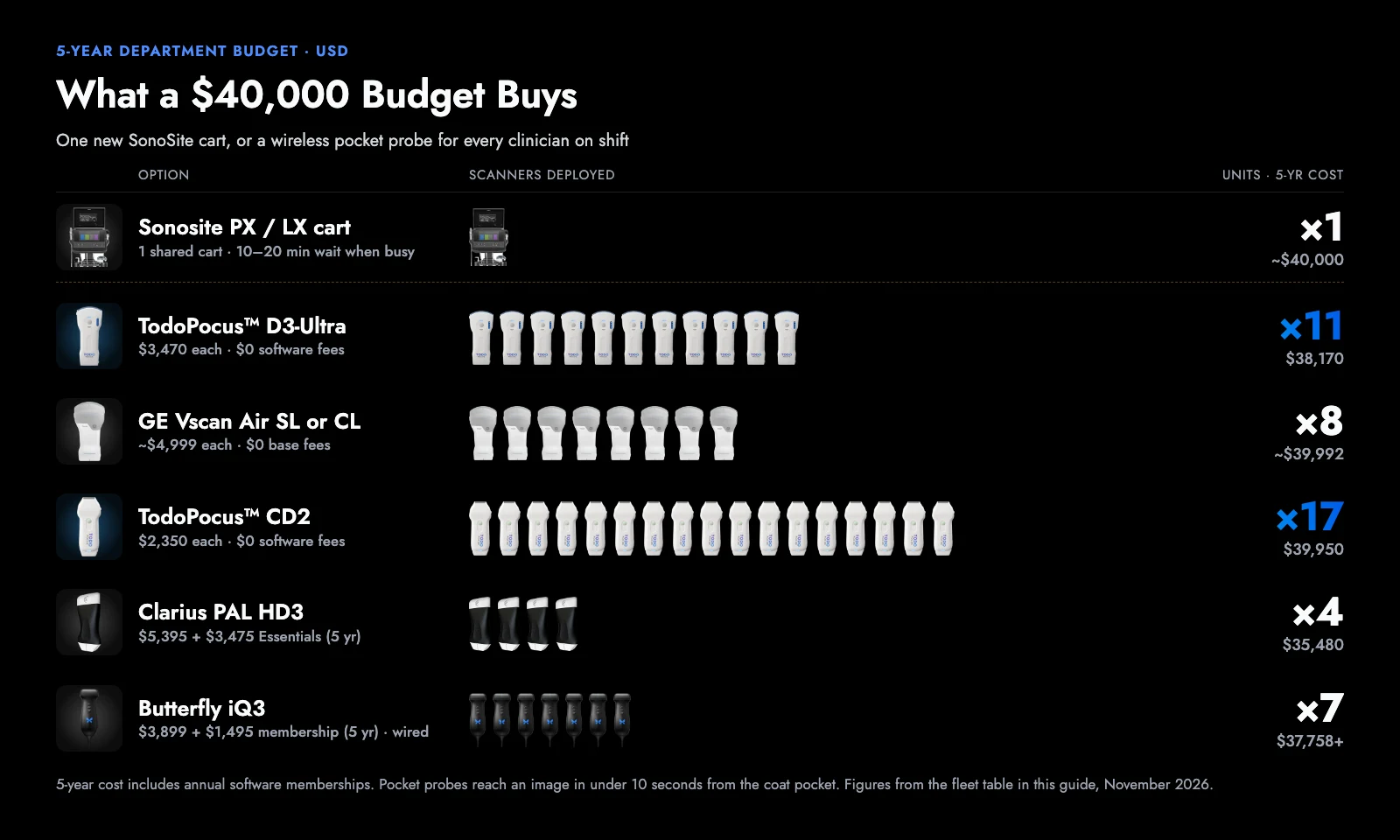
If you are managing a department budget, look at what ~$40,000 over 5 years (roughly the price of one new SonoSite cart) actually puts in your team’s hands once software renewals are factored in:
| ~$40,000 5-Year Budget Option | Unit Price | 5-Yr Software Fees | Devices You Can Deploy | Bedside Wait Time |
|---|---|---|---|---|
| FUJIFILM Sonosite PX / LX Cart | ~$40,000 | $0 (paid service plan) | 1 shared cart (~$40,000) | 10–20 min when busy |
| TodoPocus™ D3-Ultra (3-in-1) | $3,470 | $0 | 11 wireless probes ($38,170) | <10 sec in pocket |
| GE Vscan Air SL or CL | ~$4,999 | $0 Basispreis (AI extra) | 8 wireless probes (~$39,992) | <10 sec in pocket |
| TodoPocus™ CD2 (Phased + Linear) | $2,350 | $0 | 17 wireless probes ($39,950) | <10 sec in pocket |
| Clarius PAL HD3 (w/ annual plan) | $5,395 | $3,475 / probe ($695/yr) | 4 wireless probes ($35,480) | <10 sec in pocket |
| Butterfly iQ3 (annual or All-In bundle) | $3,899 | $1,495–$2,100 / probe (or $1,500 upfront) | 7 wired probes ($37,758–$37,793) | Instant (corded) |
Used SonoSite Console vs. New Pocket Probe: How to Decide Quickly
If you’re still on the fence, here is the simplest way to make the call:
- Still using aging SonoSite iViz units? Plan your exit before the August 2027 repair cutoff. Moving to a subscription-free wireless probe gives you a fresh 3-year warranty and runs on the phones and tablets your team already carries.
- Tempted by a $9,000 refurbished SonoSite Edge II? Only buy one if you truly need a stand console with ECG leads or Tissue Doppler. Otherwise, that same $9,000 buys three or four brand-new wireless probes—without gambling on a used probe dying out of warranty and costing $5,000 to replace.
- Need one personal probe for ER, trauma, primary care, or mixed consults? Go with the TodoPocus™ D3-Ultra ($3,470–$3,570) so you have convex, phased, and linear ready in one unit.
- Work mostly in anesthesia, ICU, or rapid cardiac/vascular checks? Go with the TodoPocus™ CD2 ($2,350)—it’s lighter in your scrubs (150 g) and lets you plug in a USB cable whenever hospital Wi-Fi acts up.
Bottom Line
SonoSite still builds great $25,000 to $60,000+ hospital carts. When your hospital approves capital money for a shared OR or trauma bay machine, the Sonosite PX, LX, or MT is an easy choice.
If what you actually wanted was a personal scanner in your coat pocket—without cart delays or yearly software bills—the TodoPocus™ D3-Ultra ($3,470 Clinical White / $3,570 Space Silver) and TodoPocus™ CD2 ($2,350) cover daily bedside work at a fraction of the cost, backed by a 3-year warranty, 30-day evaluation window, and duties-paid shipping. Ordering for a group or hospital department? You can reach our clinical team here for multi-unit quotes or DICOM PACS questions.
Häufig gestellte Fragen (FAQs)
Referenzen
- FUJIFILM Sonosite. (2026). Sonosite iViz retirement and end-of-support timeline (August 31, 2027). https://www.sonosite.com/products/sonosite-iviz
- FUJIFILM Sonosite. (2026). Point-of-care ultrasound products: Sonosite PX, Sonosite LX, Sonosite ST, Sonosite ZX, Sonosite MT, and Sonosite iLOOK. https://www.sonosite.com/products
- FUJIFILM Sonosite. (2026). Sonosite Edge II system retirement and end-of-sale notice. https://www.sonosite.com/products/sonosite-edge-ii
- American College of Emergency Physicians (ACEP). (2023). Ultraschallrichtlinien: Richtlinien für Ultraschall in der Notfallmedizin, Point-of-Care-Ultraschall und klinischen Ultraschall in der Medizin. Annals of Emergency Medicine, 82(3), e115–e155. https://doi.org/10.1016/j.annemergmed.2023.06.005
- Spencer, K. T., Kimura, B. J., Korcarz, C. E., Pellikka, P. A., Rahko, P. S., & Siegel, R. J. (2013). Focused cardiac ultrasound: Recommendations from the American Society of Echocardiography. Journal of the American Society of Echocardiography, 26(6), 567–581. https://doi.org/10.1016/j.echo.2013.04.001
- TodoPocus. (2026). D3-Ultra 3-in-1 handheld ultrasound scanner (Phased, Convex & Linear). https://todopocus.com/multipurpose-handheld-ultrasound/d3-ultra/
- TodoPocus. (2026). CD2 phased + linear dual-probe handheld ultrasound scanner. https://todopocus.com/multipurpose-handheld-ultrasound/cd2/
- GE HealthCare. (2026). Vscan Air SL & Vscan Air CL wireless handheld ultrasound specifications. https://www.gehealthcare.com/products/ultrasound/handheld-ultrasound/vscan-air-sl
- Clarius Mobile Health. (2026). Clarius PAL HD3 wireless phased and linear scanner. https://clarius.com/scanners/pal/
- Butterfly Network. (2026). Butterfly iQ3 handheld point-of-care ultrasound pricing & specifications. https://www.butterflynetwork.com/pricing